The hidden crisis in healthcare: A call to prioritize patient and caregiver safety
#NurseEntrepreneur #HealthcareInnovation #MedTech #PronovaO2 #InteliDerm #ClinicianDesigned #NurseLed #BedsideToBoardroom #EvidenceBasedCare
By Tara Psencik, BSN RN
Based on the American Nurse editorial by Lillee Gelinas, DNP, RN, CPPS, FAAN
In today’s rapidly shifting healthcare landscape, one concern looms large—but often goes unspoken: the physical safety of both patients and caregivers. As workforce demographics and patient needs evolve, we’re confronted with an urgent challenge that demands immediate and coordinated action.
The Changing Face of Healthcare
We’re at a critical crossroads. Our healthcare workforce is aging, patients are becoming heavier, and staffing shortages continue to strain care teams. According to the American Association of Colleges of Nursing, the median age of registered nurses is now 46. Meanwhile, the Centers for Disease Control and Prevention reports that about 40% of U.S. adults are obese—a figure that’s only expected to rise.
These demographic shifts, combined with economic pressures that push for quicker patient turnover and reduced lengths of stay, have created a dangerous paradox: nurses are lifting heavier, sicker patients more frequently, often without the necessary support or equipment.
Rethinking “The Way It’s Always Been Done”
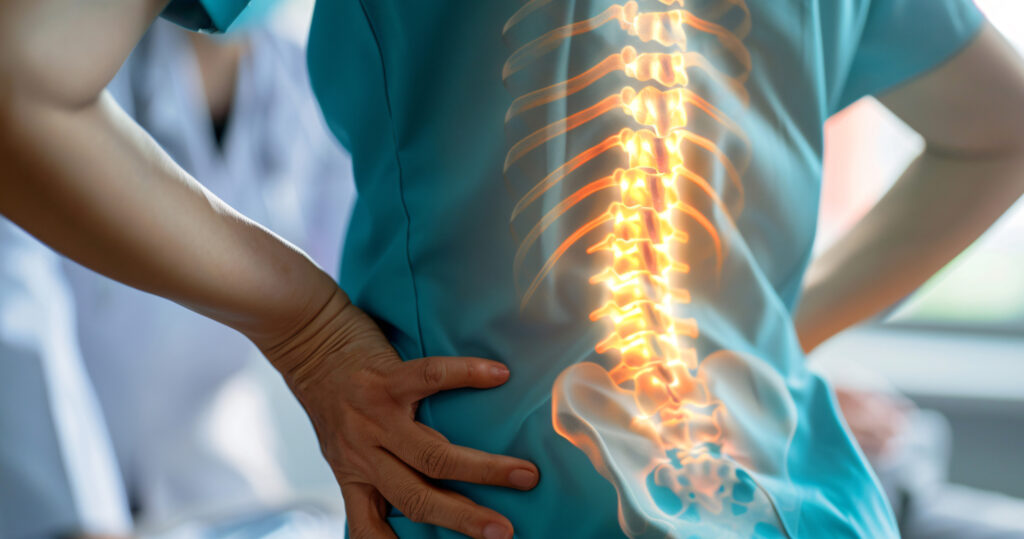
Too often, nurses are expected to “just do the job”—even when that means risking their own health. The outdated reliance on manual lifting, grounded in flawed teachings like “safe body mechanics,” has led to a staggering number of caregiver injuries, particularly chronic back problems.
The truth is simple: there is no such thing as safe manual lifting. Without the proper tools, training, and institutional support, nurses are being injured at alarming rates—injuries that cost not only workers’ compensation dollars, but also careers, wellbeing, and quality of life.
Who Handles the Handling?
The answer: we all do. Every healthcare organization must prioritize Safe Patient Handling and Mobility (SPHM) as a non-negotiable component of patient and staff safety. That means moving beyond good intentions and implementing evidence-based systems that include:
- The right equipment
- Dedicated SPHM coordinators
- Training for all staff
- A culture that encourages the use of assistive technology
Programs that do this well have seen a significant drop in injury rates and an improvement in patient outcomes.
Time for a Coordinated Response
The American Nurses Association has long advocated for SPHM, but awareness and implementation remain uneven. This issue is not just about policy—it’s about culture, leadership, and education. Every nurse, administrator, and healthcare leader has a role to play in reshaping how we move and care for patients.
A Shared Responsibility
Nurses are at the heart of healing. Protecting their physical health is not optional—it’s essential. Ensuring safety in patient handling isn’t just about checking a box; it’s about empowering professionals to care without compromise.
At Turn Medical our mission is to empower healthcare professionals to care for their patients using innovative technology instead of putting themselves at risk for career ending injuries.
So here’s the call to action:
- Evaluate your workplace’s SPHM protocols.
- Advocate for resources and training.
- Share what you know with your peers.
- Support legislation that makes safe handling a priority.
- We’ve made progress, but there’s still a long way to go. Together, we can build a safer, more sustainable future for caregivers and the patients they serve.
Are you involved in a Safe Patient Handling and Mobility program? What strategies have worked—or failed—in your organization? How do you currently turn your patients into the prone position.Share your thoughts with us at info@turnmedical.com. Let’s keep the conversation going.